
- About Us
- KIDNEY DISEASE
- Public Education
- Patient Welfare
- Training
- Events
- Support Us
- Resources
The main job of your kidneys is to remove toxins and excess water from your blood.
Kidneys also help to control your blood pressure, to produce red blood cells and to keep your bones healthy. Each roughly the size of your fist, kidneys are located deep in the abdomen, beneath the rib cage.
Your kidneys control blood stream levels of many minerals and molecules including sodium and potassium, and help to control blood acidity. Every day your kidneys carefully control the salt and water in your body so that your blood pressure remains the same.
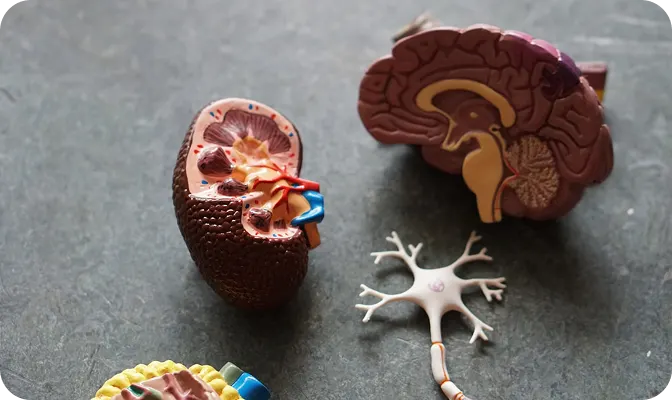
The majority of people are born with two kidneys, each made out of a million tiny units, known as nephrons. When nephrons are damaged, they stop functioning, placing added strain on the remaining healthy nephrons to sustain normal kidney function. However, if the damage continues, the remaining healthy nephrons become insufficient to maintain kidney function.
This progressive loss in kidney function over a span of months or years is called Chronic kidney disease (CKD). CKD is extremely common, with 1 in 10 of the adult population having some form of kidney damage, and every year millions die prematurely of complications related to CKD.

This helps you maintain a healthy weight, lower blood pressure, and reduce the risk of Chronic Kidney Disease.
With active habits such as walking, jogging, or cycling, you can improve blood circulation, strengthen your heart, and support healthy kidney function.
1. Walking 10,000 steps a day can burn up to 500 calories and help regulate blood pressure.
2. Just 30 minutes of moderate exercise, 5 times a week, can reduce the risk of chronic diseases by up to 30 percent.
Activate your body today for a healthier heart, mind, and kidneys.



This can help you maintain a healthy weight, lower blood pressure, and prevent diabetes, heart disease, and other conditions related to Chronic Kidney Disease.
Reduce salt intake. The recommended daily sodium intake is 5–6 grams of salt, including salt already present in processed foods (roughly one teaspoon).
To reduce salt consumption, limit processed foods and restaurant meals that tend to contain added salt.

About half of individuals living with diabetes do not realize they have the condition. This is why monitoring blood sugar should be part of routine health checkups. It is especially important for those at higher risk.
Around half of people with diabetes develop kidney damage — however, this can be prevented if diabetes is well managed from the start.
Check your kidney health regularly through blood and urine tests.



1. According to the National Health and Morbidity Survey (NHMS) 2023, about 29.2 percent, or almost 1 in 3 adults, have hypertension.
2. Among these individuals, 11.9 percent are unaware of their condition.
Blood pressure should be measured during routine health screenings. High blood pressure can damage the kidneys over time, especially when combined with other risk factors such as diabetes, high cholesterol, and cardiovascular disease. This risk can be reduced with proper blood pressure management.
Normal adult blood pressure is 120/80 mmHg. Hypertension is diagnosed when, on two separate days, the systolic reading is ≥140 mmHg and/or the diastolic reading is ≥90 mmHg (WHO).
If your blood pressure remains high (especially in older adults), consult your doctor to discuss risks, lifestyle changes, and medication if needed.

The ideal amount of fluid varies by individual and depends on activity level, climate, health status, pregnancy, and breastfeeding.
In general, this means 8 glasses or about 2 liters a day for healthy individuals in normal climate conditions.
Fluid intake should be adjusted during hot weather. It may also need modification if you have kidney disease, heart disease, or liver issues. Consult your doctor for guidance tailored to your condition.



Smoking reduces blood flow to the kidneys. When blood flow decreases, the kidneys cannot function normally. Smoking also increases the risk of kidney cancer by about 50 percent.

Do not frequently take over-the-counter painkillers. Common medicines such as non-steroidal anti-inflammatory drugs (NSAIDs) or general pain relievers like ibuprofen can damage the kidneys if taken regularly.
If you have kidney disease or reduced kidney function, even small amounts of these medications can worsen your condition. Always consult your doctor before taking them.



You should check your kidney function if you have one or more of the following risk factors:
• Diabetes
• High blood pressure (hypertension)
• Obesity
• A family history of kidney disease
Acute Kidney Injury (AKI) is the sudden loss of kidney function that occurs within a few hours or a few days.
This sudden decline in kidney function can be caused by various factors, including reduced blood flow to the kidneys or exposure to toxic substances.
The good news is that the kidneys can almost fully recover with prompt treatment. Early management may involve fluid and mineral replacement, and in some cases, dialysis may be necessary.
To prevent complete kidney failure, awareness of AKI must be strengthened, especially among individuals at higher risk. Early detection and treatment are crucial to improving recovery outcomes.
What causes Acute Kidney Injury (AKI)?
AKI has three main causes:
1. A sudden and severe drop in blood flow to the kidneys.
2. Damage caused by medications, toxins, or infections.
3. Sudden blockage that prevents urine from leaving the kidneys.
Who is at higher risk of AKI?
The risk of AKI is higher among:
These conditions can increase the risk of kidney failure.
What are the symptoms of AKI?
Signs of AKI may include:
Some people may not show any symptoms at all. For critically ill patients, the underlying illness may cause symptoms that make AKI harder to detect.
AKI Cases
Worldwide, AKI is common, especially among hospitalized patients. AKI affects 5 to 20 percent of patients in Intensive Care Units and is becoming increasingly recognized globally.

Most organs in our body are closely connected and depend on each other. This includes the heart and kidneys.
There is a strong relationship between kidney disease and cardiovascular disease (heart and blood vessel disease).
People with Chronic Kidney Disease (CKD) have a significantly higher risk of experiencing stroke or heart attack at a younger age, due to changes in blood circulation caused by kidney disease.
What is Cardiovascular Disease (CVD)?
CVD refers to any condition involving the heart and blood vessels. Any issue that prevents the heart from pumping blood effectively can be classified as cardiovascular disease.
Common types include:
1. Atherosclerosis – buildup of fats and cholesterol in the artery walls
2. Thrombosis – blood clots in veins or arteries
3. Heart attack – reduced blood supply causing heart muscle damage
How are Kidney Disease and Heart Disease Connected?
Heart and kidney diseases are closely linked because most organs in the body depend on each other.
People with CKD have a higher risk of stroke or heart attack at a younger age due to circulatory changes caused by kidney damage.
Shared Risk Factors Between CKD and CVD
What are the symptoms of AKI?
Signs of AKI may include:
Some people may not show any symptoms at all. For critically ill patients, the underlying illness may cause symptoms that make AKI harder to detect.
AKI Cases
Worldwide, AKI is common, especially among hospitalized patients. AKI affects 5 to 20 percent of patients in Intensive Care Units and is becoming increasingly recognized globally.

Diabetes is the leading cause of kidney failure.
In many countries, half of all patients starting dialysis have kidney failure caused by diabetes.
What is Cardiovascular Disease (CVD)?
CVD refers to any condition involving the heart and blood vessels. Any issue that prevents the heart from pumping blood effectively can be classified as cardiovascular disease.
Common types include:
1. Atherosclerosis – buildup of fats and cholesterol in the artery walls
2. Thrombosis – blood clots in veins or arteries
3. Heart attack – reduced blood supply causing heart muscle damage
How are Kidney Disease and Heart Disease Connected?
Heart and kidney diseases are closely linked because most organs in the body depend on each other.
People with CKD have a higher risk of stroke or heart attack at a younger age due to circulatory changes caused by kidney damage.
Shared Risk Factors Between CKD and CVD
What are the symptoms of AKI?
Signs of AKI may include:
Some people may not show any symptoms at all. For critically ill patients, the underlying illness may cause symptoms that make AKI harder to detect.
AKI Cases
Worldwide, AKI is common, especially among hospitalized patients. AKI affects 5 to 20 percent of patients in Intensive Care Units and is becoming increasingly recognized globally.

Hypertension is the medical term for high blood pressure. For most people, blood pressure of 140/90 mmHg or higher is considered abnormal.
What is Cardiovascular Disease (CVD)?
CVD refers to any condition involving the heart and blood vessels. Any issue that prevents the heart from pumping blood effectively can be classified as cardiovascular disease.
Common types include:
1. Atherosclerosis – buildup of fats and cholesterol in the artery walls
2. Thrombosis – blood clots in veins or arteries
3. Heart attack – reduced blood supply causing heart muscle damage
How are Kidney Disease and Heart Disease Connected?
Heart and kidney diseases are closely linked because most organs in the body depend on each other.
People with CKD have a higher risk of stroke or heart attack at a younger age due to circulatory changes caused by kidney damage.
Shared Risk Factors Between CKD and CVD
What are the symptoms of AKI?
Signs of AKI may include:
Some people may not show any symptoms at all. For critically ill patients, the underlying illness may cause symptoms that make AKI harder to detect.
AKI Cases
Worldwide, AKI is common, especially among hospitalized patients. AKI affects 5 to 20 percent of patients in Intensive Care Units and is becoming increasingly recognized globally.

Excess weight increases the risk of developing conditions such as diabetes, cardiovascular disease, hypertension, and kidney disease.
By 2025, 18 percent of men and 21 percent of women globally are projected to be obese.
In some countries, more than one-third of the adult population is obese.
Obesity in children is also rising globally.
What is Cardiovascular Disease (CVD)?
CVD refers to any condition involving the heart and blood vessels. Any issue that prevents the heart from pumping blood effectively can be classified as cardiovascular disease.
Common types include:
1. Atherosclerosis – buildup of fats and cholesterol in the artery walls
2. Thrombosis – blood clots in veins or arteries
3. Heart attack – reduced blood supply causing heart muscle damage
How are Kidney Disease and Heart Disease Connected?
Heart and kidney diseases are closely linked because most organs in the body depend on each other.
People with CKD have a higher risk of stroke or heart attack at a younger age due to circulatory changes caused by kidney damage.
Shared Risk Factors Between CKD and CVD
What are the symptoms of AKI?
Signs of AKI may include:
Some people may not show any symptoms at all. For critically ill patients, the underlying illness may cause symptoms that make AKI harder to detect.
AKI Cases
Worldwide, AKI is common, especially among hospitalized patients. AKI affects 5 to 20 percent of patients in Intensive Care Units and is becoming increasingly recognized globally.

Organ donation occurs when someone agrees to donate their organs for transplantation, either while alive or after death with consent from next of kin.
Through initiatives like ColdEve by NKF, communities are educated about organ donation and how it can provide a second chance at life.
What is Cardiovascular Disease (CVD)?
CVD refers to any condition involving the heart and blood vessels. Any issue that prevents the heart from pumping blood effectively can be classified as cardiovascular disease.
Common types include:
1. Atherosclerosis – buildup of fats and cholesterol in the artery walls
2. Thrombosis – blood clots in veins or arteries
3. Heart attack – reduced blood supply causing heart muscle damage
How are Kidney Disease and Heart Disease Connected?
Heart and kidney diseases are closely linked because most organs in the body depend on each other.
People with CKD have a higher risk of stroke or heart attack at a younger age due to circulatory changes caused by kidney damage.
Shared Risk Factors Between CKD and CVD
What are the symptoms of AKI?
Signs of AKI may include:
Some people may not show any symptoms at all. For critically ill patients, the underlying illness may cause symptoms that make AKI harder to detect.
AKI Cases
Worldwide, AKI is common, especially among hospitalized patients. AKI affects 5 to 20 percent of patients in Intensive Care Units and is becoming increasingly recognized globally.
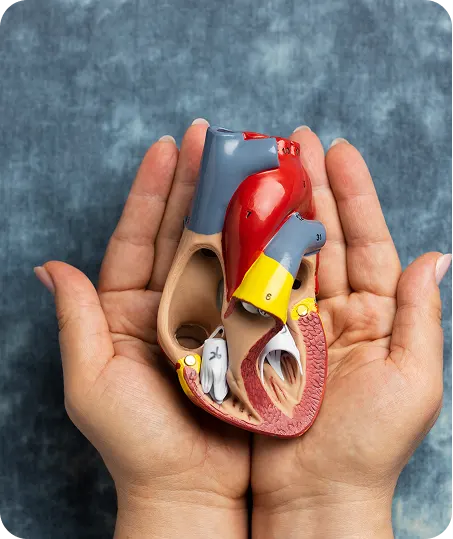
Healthy kidneys filter blood and remove excess fluid through urine. They also produce important chemicals that help keep the body healthy.
Dialysis replaces these functions when the kidneys can no longer work effectively. Dialysis can be done at a dialysis center or at home.
What is Cardiovascular Disease (CVD)?
CVD refers to any condition involving the heart and blood vessels. Any issue that prevents the heart from pumping blood effectively can be classified as cardiovascular disease.
Common types include:
1. Atherosclerosis – buildup of fats and cholesterol in the artery walls
2. Thrombosis – blood clots in veins or arteries
3. Heart attack – reduced blood supply causing heart muscle damage
How are Kidney Disease and Heart Disease Connected?
Heart and kidney diseases are closely linked because most organs in the body depend on each other.
People with CKD have a higher risk of stroke or heart attack at a younger age due to circulatory changes caused by kidney damage.
Shared Risk Factors Between CKD and CVD
What are the symptoms of AKI?
Signs of AKI may include:
Some people may not show any symptoms at all. For critically ill patients, the underlying illness may cause symptoms that make AKI harder to detect.
AKI Cases
Worldwide, AKI is common, especially among hospitalized patients. AKI affects 5 to 20 percent of patients in Intensive Care Units and is becoming increasingly recognized globally.